Table of Contents
ToggleSacramento’s housing market has shifted dramatically, and tiny houses are no longer a fringe idea, they’re a viable solution. Between rising rents, property taxes, and the sheer cost of maintaining a traditional home, more buyers are exploring compact living without sacrificing quality of life. If you’re hunting for a tiny house in California’s capital region, you’ll find a growing inventory, but also a unique set of zoning hurdles and financing quirks. This guide walks through what’s actually available, where to look, what you’ll pay, and the red tape you’ll need to navigate before parking or placing your new home.
Key Takeaways
- Tiny houses for sale Sacramento offer a practical alternative to the region’s $500,000 median home price, with models ranging from $40,000 to $200,000 depending on type and features.
- Sacramento’s mild climate, growing ADU ordinances, and active DIY community make it an ideal location for tiny house buyers seeking intentional living and long-term cost savings.
- Tiny houses on wheels are mobile and affordable but face zoning restrictions in city limits, while foundation models are easier to finance, insure, and place legally as primary residences or ADUs.
- Zoning laws in Sacramento city require thorough research—unincorporated county areas and nearby jurisdictions like Placer and El Dorado counties offer significantly more flexibility for placement.
- Financing options for tiny houses include RV loans (4–8%), personal loans, traditional mortgages for foundation models, or cash purchases, which account for nearly 40% of tiny house sales.
- Before purchasing a tiny house, confirm placement options in writing with local zoning authorities to avoid costly legal surprises.
Why Sacramento Is a Hot Market for Tiny House Buyers
Sacramento sits at a sweet spot for tiny house buyers. Median home prices in the metro area hover around $500,000 as of early 2026, pricing out first-time buyers and retirees on fixed incomes. Tiny houses, typically ranging from 100 to 400 square feet, offer an alternative that cuts both purchase price and ongoing expenses.
The region’s climate is another draw. Summers are hot and dry, winters mild, meaning you won’t battle the insulation and heating challenges that tiny homeowners face in harsher climates. Solar panels are practical year-round, and you won’t need a massive HVAC system to stay comfortable.
Sacramento County and surrounding areas like Placer and El Dorado counties have seen an uptick in ADU (accessory dwelling unit) ordinances, which can sometimes accommodate tiny houses on foundations. While the city itself has strict zoning, unincorporated areas and nearby jurisdictions offer more flexibility. Buyers who do their assignments can find legal placement options without leaving the greater Sacramento region.
Finally, the local DIY and sustainability community is active. You’ll find tiny house meetups, builders, and small space design resources that help new owners transition to compact living. It’s not just about saving money, it’s about joining a community that values intentional living and environmental stewardship.
Types of Tiny Houses Available in Sacramento
Sacramento’s tiny house market breaks into two main categories: tiny houses on wheels (THOWs) and foundation models. Each has distinct advantages, legal implications, and costs.
Tiny Homes on Wheels vs. Foundation Models
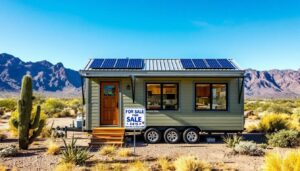
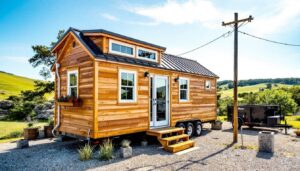
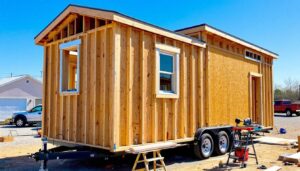
Tiny houses on wheels are built on trailers and classified as RVs if they meet RVIA standards. They’re portable, which means you can relocate if zoning issues arise or if you want a change of scenery. Most THOWs range from 8.5 feet wide (road-legal without permits) to 10 feet (requiring oversize load permits for transport). Lengths typically run 20 to 30 feet, with a few custom builds stretching to 40 feet on gooseneck trailers.
Because they’re mobile, THOWs can sometimes skirt traditional housing codes, but they’re not automatically welcome everywhere. Some RV parks accept them: most residential lots do not, unless local ADU or guest house ordinances provide an opening. You’ll also need a vehicle capable of towing 10,000 to 14,000 pounds, or budget for professional transport.
Foundation-based tiny homes are permanent structures, usually 400 square feet or less, built on concrete slabs or pier-and-beam systems. These are subject to the same building codes as traditional houses: IRC structural standards, electrical code compliance (NEC), and plumbing and mechanical permits. The upside? They’re easier to finance, insure, and legally place on a residential lot, especially as ADUs. Many 2 bedroom tiny models are foundation-based, offering more livable space for families or remote workers who need a dedicated office.
Foundation models also appreciate like traditional real estate, while THOWs depreciate like vehicles. If long-term equity matters, a foundation tiny house is the better bet. If flexibility and lower upfront costs are priorities, wheels make sense.
Where to Find Tiny Houses for Sale in Sacramento
Finding a tiny house in Sacramento takes more legwork than browsing Zillow, but the options are growing.
Local builders and custom fabricators are your best starting point. Companies like California Tiny House and Tumbleweed Tiny House Company serve the region, offering both ready-to-move models and custom builds. Expect lead times of 3 to 6 months for custom orders, depending on complexity and material availability.
Online marketplaces like Tiny House Listings, Tiny Home Builders, and even Facebook Marketplace list pre-owned and new THOWs. Craigslist Sacramento occasionally features used models, but inspect thoroughly before buying, structural issues, water damage, and poorly executed DIY wiring are common in resale units.
RV dealers sometimes carry RVIA-certified tiny houses, though selection is limited. These units meet DOT and RVIA standards, which can simplify insurance and placement in RV parks.
ADU developers in the Sacramento area now offer turnkey tiny houses on foundations, designed to comply with California’s streamlined ADU permitting process. These are typically more expensive, $100,000 to $200,000, but include permitting, site prep, and utility hookups.
If you’re willing to drive, the Bay Area and Fresno have larger inventories. Transporting a THOW from the Bay Area to Sacramento runs $500 to $1,500, depending on size and route. For foundation models, you’ll need a local contractor to handle site prep and installation, which adds another $10,000 to $20,000 to the total cost.
What to Expect: Pricing and Features in Sacramento’s Tiny House Market
Pricing for tiny houses in Sacramento varies widely based on size, features, and whether you’re buying new or used.
Tiny houses on wheels typically start around $40,000 for a basic shell, framed, insulated, and weather-tight, but no interior finishes. Turnkey models with full kitchens, bathrooms, and custom cabinetry range from $60,000 to $100,000. High-end custom THOWs with premium finishes, solar systems, and composting toilets can push $120,000 or more. Understanding tiny home cost factors helps buyers budget accurately for the total investment.
Foundation models generally cost more per square foot because they require engineered plans, permits, and site work. Expect $150 to $250 per square foot for a turnkey build, meaning a 300-square-foot unit runs $45,000 to $75,000 before land prep and utilities. If you’re building on an existing lot, add $15,000 to $30,000 for foundation work, utility connections, and permitting.
Standard features in Sacramento-area tiny houses include:
- Kitchens: Two-burner propane or electric cooktops, apartment-size fridges, and small sinks. Full-size appliances are rare due to space and electrical load limits.
- Bathrooms: Most include a composting toilet, small shower stall, and tankless water heater. Some foundation models connect to municipal sewer and use standard flush toilets.
- Sleeping areas: Lofted beds accessed by ladder or stairs are common in THOWs. Foundation models sometimes offer ground-floor bedrooms, which suit buyers with mobility concerns.
- Climate control: Mini-split heat pumps are standard, offering both heating and AC. Propane heaters are backup options in off-grid builds.
- Electrical systems: 30-amp or 50-amp service for THOWs (standard RV hookups): 100-amp or higher for foundation models. Solar packages (typically 2 to 4 kW) add $8,000 to $15,000.
Used tiny houses can be a bargain if you’re handy. Prices drop 20% to 40% after the first owner, but expect to address deferred maintenance, outdated wiring, or cosmetic wear.
Zoning Laws and Placement Options for Tiny Houses in Sacramento
Zoning is the biggest obstacle for tiny house buyers in Sacramento. The city’s municipal code doesn’t explicitly recognize tiny houses as a dwelling type, which leaves buyers navigating ADU rules, RV ordinances, and a patchwork of county regulations.
Within Sacramento city limits, tiny houses on wheels are generally not permitted as primary residences on residential lots. They may qualify as ADUs if they meet minimum size requirements (typically 150 square feet under California law) and are connected to utilities. The city’s ADU ordinances, updated in 2023, streamline permitting for detached units up to 800 square feet, but structures must comply with full IRC building codes, challenging for most THOWs.
Unincorporated Sacramento County offers more flexibility. Some parcels zoned for agricultural or rural residential use allow “temporary” dwellings, though enforcement varies. Buyers should contact the county planning department before purchasing. Navigating tiny house legal requirements early prevents costly surprises.
RV parks and tiny house communities are the easiest placement option for THOWs. A handful of private RV parks in the Sacramento area accept RVIA-certified tiny houses, though monthly rates ($500 to $1,200) can add up. Purpose-built tiny house communities are emerging, but supply is limited.
Placement on private property (with owner permission) is possible in some jurisdictions, especially in Placer and El Dorado counties, which have less restrictive ordinances. Expect to provide proof of water and septic systems or utility hookups. Tiny house permits are required for any permanent placement, even on private land.
Foundation tiny houses are easier to place legally, especially as ADUs. California’s state ADU law (SB 9 and subsequent updates) mandates that cities allow at least one ADU per single-family lot, subject to setback and height limits. Sacramento complies, making backyard tiny houses a realistic option for homeowners with existing properties.
Before buying, confirm placement options in writing. Verbal assurances from sellers or landowners aren’t enforceable. Consult a local attorney or zoning specialist if you’re unsure, mistakes here can leave you with a house and nowhere to put it.
Financing Your Tiny House Purchase in Sacramento
Financing a tiny house is trickier than a conventional mortgage, but options exist.
Traditional mortgages don’t apply to tiny houses on wheels because lenders classify them as personal property, not real estate. Foundation-based tiny houses can qualify for mortgages if they meet minimum size thresholds (usually 400 square feet) and are permanently affixed to land you own. FHA and conventional loans are both possible, though some lenders balk at non-traditional builds. Work with a mortgage broker experienced in small or alternative housing.
RV loans are the go-to for THOWs. Rates typically run 4% to 8%, with terms of 10 to 15 years. You’ll need good credit (650+ FICO) and a down payment of 10% to 20%. Some credit unions in the Sacramento area, like Golden 1 Credit Union, offer competitive RV loan rates and understand the tiny house niche.
Personal loans or home equity lines of credit (HELOCs) work if you own property and have available equity. Rates are higher (8% to 12%), but approval is faster, and there are no restrictions on how you use the funds.
Cash purchases are common in the tiny house world. Nearly 40% of buyers pay outright, especially for used or lower-cost models. If you can save or liquidate assets, cash simplifies the process and eliminates interest costs.
Rent-to-own programs are offered by some builders, though terms vary. Read contracts carefully, balloon payments and high interest rates are red flags.
Insurance is another consideration. THOWs require specialized RV or mobile home insurance, while foundation models use standard homeowners policies. Expect to pay $600 to $1,500 annually, depending on coverage and location. Modern building techniques, including energy-efficient construction methods, can sometimes lower premiums by reducing risk.