Table of Contents
ToggleJacksonville offers a unique opportunity for tiny home living, with its mix of coastal charm, affordable land, and growing acceptance of alternative housing. The city’s mild winters and accessible location make it ideal for downsizing without sacrificing quality of life. Whether someone’s chasing financial freedom, a simpler lifestyle, or environmental goals, Jacksonville’s regulatory landscape and available communities are evolving to support tiny home enthusiasts. This guide walks through the practicalities, from zoning and costs to construction types and where to park a tiny home legally.
Key Takeaways
- Tiny homes in Jacksonville offer an affordable alternative to rising housing costs, with prices starting around $50,000 to $120,000 compared to the county median of $330,000, making homeownership accessible for first-time buyers and retirees.
- Understanding Jacksonville’s zoning regulations is critical—while ADUs are permitted in many residential zones and agricultural areas offer flexibility, tiny homes on wheels face stricter restrictions and may require consultation with a zoning attorney to avoid costly mistakes.
- Foundation tiny homes and prefab modular options provide better financing and insurance options than mobile alternatives, with construction costs ranging from $30,000 to $120,000 depending on materials and whether you DIY or hire professionals.
- Jacksonville’s mild climate and low heating costs make year-round tiny living practical, especially with mini-split HVAC systems, though humidity requires moisture-resistant materials and proper ventilation to prevent mold.
- Successful tiny home living requires ruthless downsizing, vertical storage planning, and quality mechanicals like tankless water heaters and efficient HVAC systems to maximize comfort in spaces under 400 square feet.
- Joining local tiny home networks and securing permits early streamlines the transition process, with land costs varying from $15,000 in rural areas to $80,000+ for urban infill ADU-zoned lots.
Why Tiny Homes Are Growing in Popularity in Jacksonville
Jacksonville’s housing market has seen steady price increases, pushing many residents toward creative alternatives. Tiny homes, typically under 400 square feet, offer a way to own property without a six-figure mortgage. The average home price in Duval County hovers around $330,000 as of early 2026, making conventional homeownership out of reach for first-time buyers and retirees on fixed incomes.
Beyond affordability, Jacksonville’s climate supports year-round tiny living. Heating costs stay low, and with proper insulation and mini-split HVAC systems, cooling a 300-square-foot space is manageable even during humid summers. The city’s sprawling geography also means rural and suburban lots are available at lower price points than in denser metros.
Environmental considerations drive another segment of tiny home buyers. Smaller footprints mean reduced energy consumption, less construction waste, and often the integration of solar panels or composting toilets. According to Apartment Therapy, tiny homes align with broader trends in minimalist living and eco-conscious design. Jacksonville’s proximity to beaches and state parks appeals to those prioritizing outdoor recreation over square footage.
Finally, the city’s relatively permissive ADU (accessory dwelling unit) regulations in certain zones make it easier to place a tiny home on an existing lot, whether as a guest house, rental income source, or multi-generational living solution.
Types of Tiny Homes Available in Jacksonville, FL
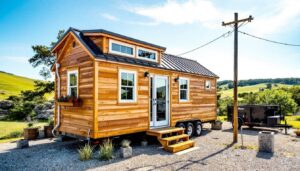
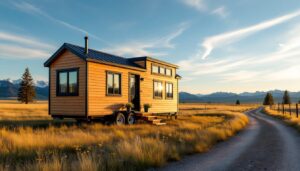
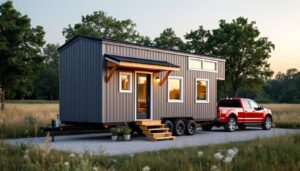
Tiny homes on wheels (THOWs) remain the most popular format. Built on trailers with dual axles, they’re classified as RVs in many jurisdictions, which affects where they can be parked. Most measure 8.5 feet wide and 20 to 30 feet long, staying within DOT limits for towing without special permits. Builders in the region often use steel-frame trailers rated for 10,000+ pounds and exterior materials like LP SmartSide or corrugated metal for durability in coastal humidity.
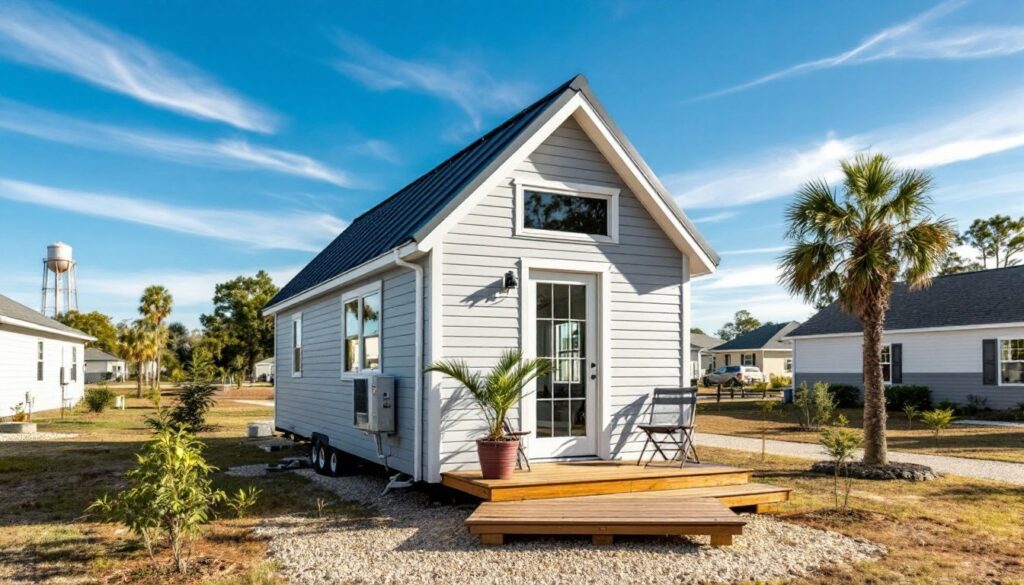
Foundation tiny homes sit on permanent slabs or pier-and-beam systems. These qualify as traditional dwellings under building codes, opening eligibility for conventional mortgages and compliance with IRC (International Residential Code) standards. They require permits, inspections, and adherence to setback rules, but they’re easier to insure and can be connected to municipal water and sewer.
Prefab modular tiny homes arrive in sections and are craned onto a foundation. Companies shipping to Florida typically use hurricane-rated construction with reinforced tie-downs and impact-resistant windows. Modular builds often cost less per square foot than custom site-built homes, and construction timelines run four to eight weeks after permitting.
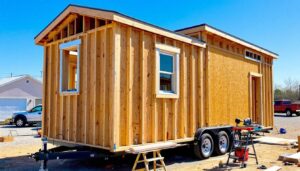
Tiny home shells are delivered as weathertight structures, walls, roof, windows, and doors, leaving the buyer to finish interiors. This approach cuts upfront costs and allows DIYers to customize layouts, though it demands carpentry, electrical, and plumbing skills. Those considering tiny home shells should budget time and money for finishing work, which often exceeds initial estimates.
Park model RVs blur the line between tiny homes and travel trailers. Built to ANSI A119.5 standards, they’re designed for semi-permanent placement in RV parks and can reach 400 square feet with slide-outs. They’re not considered real property, so financing and insurance resemble vehicle loans rather than mortgages.
Zoning Laws and Regulations for Tiny Homes in Jacksonville
Jacksonville’s zoning is managed by the City of Jacksonville Planning and Development Department, which divides the city into residential, commercial, agricultural, and mixed-use districts. Accessory dwelling units (ADUs) are permitted in many single-family residential zones, provided they meet minimum square footage (typically 300 square feet), setback requirements (usually 5 to 10 feet from rear and side property lines), and owner-occupancy rules for the primary dwelling.
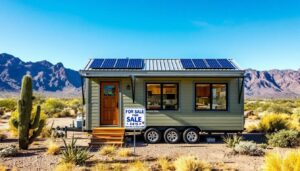
Tiny homes on wheels face tougher restrictions. If classified as RVs, they’re prohibited in most residential zones except as temporary housing during construction or emergencies. Some buyers skirt this by registering THOWs as RVs but parking them on private land zoned for agricultural use, where recreational vehicles are often allowed year-round.
Minimum dwelling size varies by zone. Older codes required 600 to 750 square feet for single-family homes, but recent amendments in select areas have dropped minimums to 320 square feet for ADUs and foundation tiny homes. Always confirm current requirements with the city’s zoning office before purchasing land or a structure.
Permit requirements hinge on whether the home is on wheels or a foundation. Foundation tiny homes require standard building permits, electrical and plumbing inspections, and a certificate of occupancy. THOWs bypass most permitting if they remain mobile, but once utilities are permanently connected, they may be reclassified as dwellings and subject to full code compliance.
For anyone navigating these rules, understanding tiny home zoning laws is essential. Duval County’s regulations differ slightly from the city’s, and unincorporated areas may offer more flexibility. Hiring a local land-use attorney or zoning consultant can prevent costly mistakes, especially when dealing with variances or conditional use permits.
Utility hookups also fall under regulation. City water and sewer connections require permits and inspections. Off-grid setups using well water and septic systems must meet Florida Department of Health standards, including percolation tests and setback distances from property lines and water bodies. Angi offers resources for finding licensed plumbers and electricians familiar with tiny home installations.
Best Locations and Communities for Tiny Homes in Jacksonville
Westside Jacksonville and areas near Cecil Commerce Center offer affordable land parcels, some zoned agricultural, where tiny homes, especially THOWs, are easier to place. Lots run $20,000 to $60,000 depending on acreage and road access. Septic and well drilling add $10,000 to $15,000, but the trade-off is privacy and fewer zoning headaches.
Baldwin and Callahan, just north of the city, are unincorporated communities in Nassau County with lower land costs and less restrictive building codes. Tiny home owners here often cluster informally, sharing tips on off-grid systems and local contractors.
No dedicated tiny home villages currently exist in Jacksonville proper, but several RV resorts and mobile home parks accept park models and THOWs as long-term residents. Flamingo Lake RV Resort and Pecan Park RV Resort have accommodated tiny homes on wheels, though policies change and lot rents range from $400 to $700 per month, including utilities and amenities like pools and laundry.
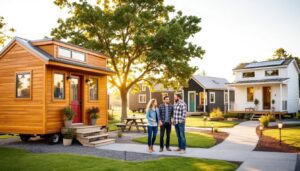
For those seeking community, joining local groups, such as the Northeast Florida Tiny House Meetup, provides leads on land shares, cooperative parking arrangements, and updates on regulatory changes. Curbed frequently covers emerging tiny home communities and zoning reforms in metro areas, offering case studies applicable to Jacksonville.
Buyers should also consider proximity to employment and services. Tiny living often pairs with remote work, but access to grocery stores, healthcare, and reliable internet matters. Areas like Nocatee and St. Johns County (technically outside Jacksonville) offer better infrastructure but stricter zoning and higher land prices.
Cost of Buying or Building a Tiny Home in Jacksonville
Turnkey tiny homes from regional builders range from $50,000 to $120,000, depending on size, finishes, and whether they’re on wheels or a foundation. A 240-square-foot THOW with basic finishes, laminate counters, and vinyl plank flooring starts around $55,000. Upgrading to hardwood cabinets, quartz counters, and a composting toilet adds $15,000 to $25,000. Foundation models cost more upfront due to permitting and site prep but qualify for traditional financing.
DIY builds cut costs significantly. A trailer from a manufacturer like Iron Eagle or Tumbleweed runs $4,500 to $7,000. Framing materials, 2×4 studs (actual 1.5″ x 3.5″), sheathing, and roofing, add $8,000 to $12,000 for a 20-foot build. Windows, doors, and exterior siding contribute another $5,000 to $8,000. Interior finishes, plumbing fixtures, and electrical components bring the total to $30,000 to $50,000, assuming the builder handles labor.
DIYers should factor in tool investments. A miter saw, circular saw, cordless drill/driver, and basic hand tools are mandatory. Renting a framing nailer and trailer jack saves money over purchasing. Budget 6 to 12 months for a first-time build, working weekends.
Land costs vary widely. Urban infill lots zoned for ADUs start at $80,000, while rural parcels outside city limits can be found for $15,000 to $40,000. Site prep, clearing, grading, and driveway installation, runs $3,000 to $8,000. Well and septic add $12,000 to $18,000: city hookups cost $2,000 to $5,000 plus impact fees.
Permitting and inspections for foundation tiny homes in Jacksonville cost $1,500 to $3,000, including building, electrical, and plumbing permits. Add $500 to $1,000 for engineering stamps if required for hurricane tie-downs or flood zones.
Insurance for tiny homes varies. THOWs insured as RVs cost $600 to $1,200 annually. Foundation homes fall under standard homeowners policies, averaging $800 to $1,500 per year, depending on flood zone and windstorm coverage. Getting accurate cost estimates is challenging without specifying material grades and finishes, but detailed breakdowns like a tiny home cost breakdown help buyers set realistic budgets.
Financing options include personal loans, RV loans for THOWs, and construction loans for foundation builds. Credit unions and specialized lenders like LightStream offer better rates than traditional banks, which remain hesitant on non-traditional housing.
Tips for Transitioning to Tiny Home Living in Jacksonville
Downsize ruthlessly before moving in. A 300-square-foot home has no room for storage unit overflow. Sort belongings into keep, donate, and sell piles. Furniture should be multi-functional, fold-down tables, Murphy beds, and ottomans with internal storage maximize usable space.
Plan storage vertically. Install shelving up to 8 feet, use wall-mounted racks for bikes and tools, and consider loft sleeping areas to free up floor space. Avoid clutter on counters: every item needs a designated spot.
Test the layout before building. Tape out floor plans at full scale in a garage or driveway. Walk through daily routines, cooking, showering, dressing, to identify bottlenecks. Adjust door swings, appliance placement, and counter heights before framing begins.
Invest in quality mechanicals. Mini-split HVAC systems from brands like Mitsubishi or Fujitsu provide efficient heating and cooling in Florida’s climate. Size units carefully, 9,000 BTU handles most tiny homes under 400 square feet. Tankless water heaters save space and provide endless hot water, though they require adequate gas or electrical supply.
Understand electrical loads. Most tiny homes use 30-amp or 50-amp RV-style hookups if on wheels. Foundation homes connect to standard 100-amp or 200-amp panels. Calculate total wattage for appliances, HVAC, and outlets to avoid tripped breakers. LED lighting reduces load significantly.
Prep for humidity. Jacksonville’s coastal location demands mold prevention. Use moisture-resistant drywall in bathrooms, install exhaust fans vented to the exterior (not just recirculating), and run a dehumidifier if the space feels damp. Spray foam insulation in walls and the roof deck minimizes condensation.
Secure permits early. Even if building a THOW, connecting to utilities often triggers permitting. Start conversations with the city’s building department months ahead. Bring drawings, specifications, and proof of trailer certification to streamline approvals. Addressing tiny house permits upfront avoids delays and fines.
Join local networks. Fellow tiny home owners share contractor recommendations, surplus materials, and moral support when projects hit snags. Online forums and regional meetups provide real-world advice that generic guides miss.
Conclusion
Tiny home living in Jacksonville combines affordability, environmental benefits, and a chance to simplify daily life. Success hinges on understanding zoning, budgeting realistically, and preparing for the realities of small-space living. Whether building from scratch or buying turnkey, diligent research and careful planning turn the tiny home dream into a livable, legal reality.