Table of Contents
ToggleTiny homes have exploded from a fringe lifestyle experiment into a full-blown housing movement. Whether you’re priced out of traditional markets, drawn to minimalism, or curious about downsizing, the question remains: are they actually worth it? Before you commit to 400 square feet and a composting toilet, you need more than Instagram aesthetics and aspirational blog posts. This guide cuts through the hype to examine what tiny living really costs, the trade-offs no one talks about, the legal hurdles that trip up most buyers, and who should, or shouldn’t, go tiny in 2026.
Key Takeaways
- Tiny homes typically range from 100 to 400 square feet and appeal to buyers through lower costs, environmental benefits, and minimalist lifestyles, but success depends on matching your lifestyle and local zoning laws.
- Initial investment for tiny homes ranges from $20,000 to $180,000 depending on type and finish level, with long-term savings most substantial when downsizing from a conventional mortgage rather than renting.
- Zoning laws and building code compliance remain the biggest hurdles—many jurisdictions ban or heavily restrict tiny homes, so verify local regulations with your planning department before committing to any purchase.
- THOWs (tiny homes on wheels) depreciate like RVs at 10–20% in year one, while foundation-built ADUs hold value better; financing typically requires personal loans or cash rather than traditional mortgages.
- Tiny homes work best for singles, couples without kids, retirees, and remote workers, but should be avoided if you have children, work from home with equipment, entertain frequently, or lack physical ability to climb lofts and navigate tight spaces.
- Test tiny living first with a weekend rental before committing—the reality of composting toilets, limited storage, privacy trade-offs, and specialized maintenance often conflicts with aesthetic expectations.
What Defines a Tiny Home and Why Are They So Popular?
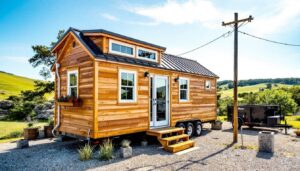
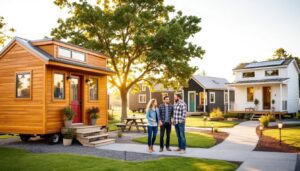
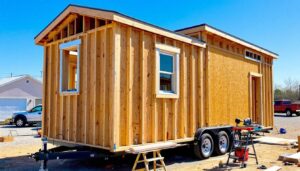
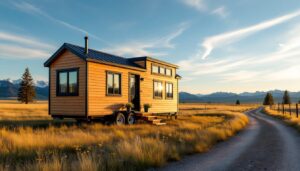
A tiny home typically ranges from 100 to 400 square feet, though definitions vary by jurisdiction and builder. They come in three main categories: trailer-mounted tiny houses on wheels (THOWs), foundation-built accessory dwelling units (ADUs), and prefab or modular units.
The appeal is multi-layered. Housing prices have climbed 47% since 2020 in many metro areas, pushing first-time buyers and retirees toward alternatives. Environmental concerns drive another segment, tiny homes use roughly 45% less energy than conventional houses and generate significantly less construction waste. The minimalist lifestyle angle attracts people drowning in possessions and mortgage debt.
But popularity doesn’t equal practicality for everyone. The tiny home movement has matured beyond hobbyists, yet building codes, financing, and daily realities still catch many buyers off guard. Understanding what you’re actually buying, and where you can legally park or build it, matters more than square footage.
The Real Costs: Initial Investment vs. Long-Term Savings
Upfront costs for tiny homes vary wildly based on type and finish level. A bare-bones THOW shell starts around $20,000 to $40,000 if you’re comfortable finishing electrical, plumbing, and interiors yourself. Turnkey models from established builders run $60,000 to $150,000, depending on materials, appliances, and custom features. Foundation-built ADUs cost more, expect $80,000 to $180,000 including site prep, utilities hookup, and permits.
Don’t forget hidden expenses. Land purchase or rental, utility connections, septic or composting systems, insurance (which is tricky for THOWs), and transportation if your home is on wheels all add up. When evaluating detailed cost breakdowns, factor in whether you’re buying land outright or renting a pad in a tiny home community at $400 to $800/month.
Long-term savings depend on your baseline. If you’re comparing a tiny home to a $350,000 conventional mortgage, the math favors downsizing, you could be mortgage-free in years, not decades. Utilities drop significantly: electric bills often run $20 to $50/month, and propane or solar setups minimize grid dependence. But if you’re comparing to renting a small apartment, the financial advantage shrinks. Maintenance is cheaper on 300 square feet than 2,000, but specialized tiny home components (composting toilets, mini-splits, RV-grade appliances) cost more to repair or replace than standard residential gear.
Resale values remain unpredictable, more on that later, but depreciation hits THOWs harder than foundation homes. Treat a THOW more like an RV than real estate when calculating long-term ROI.
Lifestyle Trade-Offs You Need to Consider
Living tiny demands intentional downsizing. Most people underestimate how much stuff they actually use and overestimate their tolerance for tight quarters. Storage is the first pain point: you’ll have room for one pot, not twelve, and seasonal clothing goes into offsite storage or gets donated. Forget walk-in closets, think cubbies, under-stair drawers, and lofted sleeping areas with 3 to 4 feet of headroom.
Privacy disappears in sub-400-square-foot homes. If you’re solo or a couple without kids, it’s manageable. Add a child, a roommate, or a work-from-home setup, and walls close in fast. Lofted bedrooms mean climbing a ladder every night, fine at 30, less appealing at 60. Hosting overnight guests requires a convertible dinette or couch, and entertaining more than two people turns into Tetris.
Utilities and systems differ from conventional homes. Many tiny homes use tankless propane water heaters, mini-split HVAC units, and 12V or solar electrical systems. These work well but require more hands-on management. Composting toilets need regular maintenance and aren’t for the squeamish. RV-style appliances (cooktops, fridges) are smaller, less powerful, and wear out faster than residential models. Interested in sustainable living should eco-friendly design strategies that address some of these challenges.
Weather extremes test tiny home construction. Trailers on wheels lack the thermal mass and insulation of stick-built houses. Expect higher heating/cooling costs in harsh climates unless you’ve invested in spray foam insulation (R-20+ in walls) and quality windows. Humidity control is trickier in small spaces, poor ventilation leads to mold fast.
Mobility is both a benefit and a burden. THOWs let you relocate, but towing a 10,000 to 14,000-pound structure requires a ¾-ton or 1-ton truck and experience with trailers. Road wear, tire replacement, and hitch maintenance add costs. Once parked, moving again means disconnecting utilities, securing everything inside, and finding a new legal spot, which brings us to the next hurdle.
Zoning Laws, Land, and Legal Challenges
This is where most tiny home dreams stall out. Zoning laws vary wildly by county and municipality, and many jurisdictions still don’t recognize tiny homes as legal permanent residences. THOWs often fall into a gray zone, too large for RV parks, too mobile for residential zoning. Some areas classify them as accessory dwelling units (ADUs), which require a primary residence on the same lot and compliance with local building codes.
Minimum square footage requirements remain common. Dozens of counties enforce 500 to 1,000-square-foot minimums for permanent dwellings, effectively banning tiny homes outright. Others allow them only in designated zones, RV parks, or as temporary structures. Always research local zoning regulations before buying land or a home, retrofitting after the fact is expensive and sometimes impossible.
Building codes add another layer. Foundation-built tiny homes must meet International Residential Code (IRC) Appendix Q standards (where adopted), which set minimum ceiling heights, egress window sizes, and loft ladder specs. THOWs often follow RVIA (RV Industry Association) or NOAH (National Organization of Alternative Housing) certification standards instead, but not all municipalities accept these.
Utility hookups require permits. Connecting to municipal water, sewer, and electric involves inspections, tap fees, and compliance with local codes. Off-grid setups (wells, septic, solar) face their own permit requirements and, in some places, outright bans. Even if your land is rural and unincorporated, county health departments regulate septic and greywater systems.
Land access is another bottleneck. Buying vacant land outright gives you control but costs $10,000 to $100,000+ depending on location and utilities. Renting a pad in a tiny home community is easier legally but limits autonomy. Parking on a friend’s property sounds appealing until you realize most residential zones prohibit it or cap the number of dwellings per lot. Before committing to any site, verify legal considerations with your local planning department, not a Facebook group.
Resale Value and Financial Implications
Tiny homes don’t appreciate like conventional real estate. THOWs depreciate similarly to RVs, expect to lose 10 to 20% of value in the first year, then 5% annually depending on condition and market demand. Foundation-built ADUs hold value better, especially in hot markets where accessory dwellings are legal and desirable, but they’re still a niche product with a smaller buyer pool.
Financing remains a challenge. Most banks won’t offer traditional mortgages for homes under 400 square feet or structures on wheels. You’re looking at personal loans, RV loans, or builder financing with higher interest rates (7 to 12% as of 2026) and shorter terms. Paying cash is common, which ties up capital and limits liquidity.
Insurance is tricky. THOW coverage falls somewhere between homeowners and RV policies, and not all insurers offer it. Expect to pay $600 to $1,500/year depending on value and location. Foundation-built tiny homes qualify for standard homeowners insurance but may cost more per square foot due to custom features and higher rebuild costs.
Resale markets are regional and fickle. In tiny-home-friendly areas (parts of Oregon, Colorado, North Carolina), you’ll find buyers faster. In restrictive zones, your home sits. Selling a THOW often means transporting it to the buyer or finding someone local who already has land, both narrow your audience. According to recent market analyses, demand has cooled slightly as more buyers realize the legal and lifestyle friction involved.
If you’re building as an ADU for rental income, the math improves. A $100,000 backyard cottage renting for $1,200/month pays itself off in 7 to 8 years, assuming stable occupancy and minimal vacancy. But that assumes your jurisdiction allows ADU rentals, some permit them only for family members.
Who Should (and Shouldn’t) Go Tiny
Tiny homes work well for:
• Single adults or couples without kids who value simplicity over space and don’t mind close quarters.
• Retirees downsizing from larger homes who want to eliminate mortgage debt and maintenance.
• Remote workers with minimal gear who can function from a compact desk and don’t host clients at home.
• Minimalists genuinely committed to owning less, not just people who like the aesthetic on design blogs.
• Landowners adding an ADU for rental income, aging parents, or a home office separate from the main house.
Avoid tiny homes if you:
• Have or plan to have children. Kids need space, storage, and separation. Tiny living with a family is possible but strains relationships and logistics.
• Work from home with equipment. A pottery studio, woodshop, or video editing rig doesn’t fit in 300 square feet.
• Entertain regularly. Hosting dinner parties or overnight guests becomes a logistical puzzle.
• Live in a jurisdiction with restrictive zoning. If your county bans tiny homes and you’re not prepared to fight city hall or move, you’ll waste money and time.
• Can’t commit to radical downsizing. If you’re keeping a storage unit “just in case,” you’re defeating the financial purpose.
• Need mobility aids or have physical limitations. Loft ladders, narrow doorways, and tight bathrooms aren’t ADA-friendly.
Before buying, spend a weekend in a tiny home rental. Airbnb and specialized rental companies offer THOW stays that reveal whether you can tolerate the reality versus the Instagram version. Talk to longtime tiny dwellers through community resources who’ll give you the unfiltered truth about maintenance, zoning battles, and daily frustrations.
Conclusion
Tiny homes aren’t a magic bullet for housing affordability or lifestyle transformation, they’re a niche solution with real trade-offs. If you’ve researched local zoning, toured actual builds, and honestly assessed your tolerance for small spaces, they can deliver financial freedom and simplicity. But skip the assignments, and you’ll end up with an expensive, legally questionable structure you can’t sell or live in long-term. Do the math, check the codes, and be brutally honest about what you’re willing to give up.