Table of Contents
ToggleArkansas offers an unbeatable combination for tiny home enthusiasts: affordable land, mild climate, and a growing community that values simplicity over square footage. The Natural State’s diverse landscape, from the Ozark Mountains to the Ouachita forests, provides scenic backdrops for compact living without the premium price tags found on either coast. Whether building from scratch, buying a pre-fab unit, or converting a shed into livable space, prospective tiny homeowners face a unique regulatory landscape that varies significantly from county to county. This guide covers everything from navigating building codes to finding the right builder.
Key Takeaways
- Arkansas offers tiny homes enthusiasts exceptional value through affordable land ($5,000–$15,000 per acre in rural counties), mild climate, and minimal community restrictions compared to coastal states.
- Zoning regulations for tiny homes Arkansas vary significantly by county since there are no statewide rules; always verify with your county planning office before purchasing land, as most residential zones enforce 600–1,000 square foot minimums.
- Tiny home costs in Arkansas range from $45,000–$85,000 for turn-key builds plus $15,000–$35,000 in site prep (well, septic, electric connection), making the state significantly cheaper than national averages.
- Design your tiny home for dual-purpose spaces using fold-down tables, murphy beds, built-in storage, and mini-split heat pumps to maximize efficiency and comfort in Arkansas’s humid climate.
- Test tiny home living before committing by renting for a weekend or month through Arkansas vacation rentals or communities to confirm the lifestyle aligns with your needs and expectations.
- Most traditional mortgage lenders won’t finance tiny homes under 400 square feet, so plan for cash purchases, RV loans, or specialized insurance policies designed for compact dwellings.
Why Arkansas Is Perfect for Tiny Home Living
Land affordability stands out as Arkansas’s biggest advantage. Rural counties like Newton, Searcy, and Stone offer buildable lots starting around $5,000–$15,000 per acre, compared to $50,000+ in nearby states. That price difference lets buyers invest more in the structure itself or pocket the savings.
The climate is another win. Arkansas sits in USDA hardiness zones 6b through 8a, meaning mild winters (average lows around 25–35°F) and hot, humid summers. Tiny homes require less insulation and heating compared to northern states, and the extended growing season supports homesteading and garden plans that pair naturally with downsized living.
Community acceptance varies but is growing. Northwest Arkansas, particularly around Fayetteville, Bentonville, and Eureka Springs, has embraced alternative housing more quickly than other regions. Eureka Springs, known for its bohemian culture and Victorian architecture, has several tiny home-friendly neighborhoods. Rural areas often have fewer restrictions, but always verify with the county planning office before purchasing land.
Utility access is generally straightforward. Most rural plots can tap into rural electric co-ops, and well drilling costs average $3,500–$7,500 depending on depth. Septic systems run $3,000–$10,000 for standard aerobic units, which most counties require for dwellings under 1,000 square feet.
Arkansas Tiny Home Laws and Zoning Regulations
Arkansas doesn’t have statewide tiny home regulations, leaving authority to counties and municipalities. This decentralized approach creates a patchwork of rules that requires careful research before breaking ground.
State and Local Building Codes
Most Arkansas counties adopt the International Residential Code (IRC) with local amendments. The IRC Appendix Q addresses tiny houses, defining them as dwellings 400 square feet or less excluding lofts. Key requirements include:
- Minimum ceiling height: 6’8″ in living areas, 6’4″ in lofts and bathrooms
- Loft requirements: 35 square feet minimum floor area, 24″ guardrails if more than 30″ above the floor
- Egress windows: One per sleeping area, minimum 5.7 square feet of openable area
- Stair width: Minimum 17″ between handrails (alternating tread stairs allowed in lofts)
But, not all counties have adopted Appendix Q. In counties without specific tiny home provisions, structures under 120 square feet may be classified as accessory buildings and exempt from some residential codes, but also prohibited as primary dwellings.
Zoning presents the bigger hurdle. Most residential zones have minimum square footage requirements (600–1,000 square feet) that automatically disqualify tiny homes. Understanding tiny home zoning regulations is critical before purchasing property. Some options:
- Agricultural zones: Often allow smaller structures and have fewer restrictions
- Variance requests: Apply to the local zoning board for an exception (success varies widely)
- Tiny home communities: Pre-approved developments sidestep individual zoning battles
RV classification offers a workaround but creates new limitations. Tiny homes on wheels (THOWs) built to RVIA or NOAH standards may be treated as RVs, avoiding residential building codes but subject to RV parking ordinances. Many jurisdictions prohibit using RVs as permanent residences or limit stays to 30–90 days on private property. Check county ordinances and any homeowner association covenants.
Permits: Foundation-based tiny homes require standard building permits. Expect inspections at footing, framing, electrical rough-in, plumbing rough-in, insulation, and final stages. Budget $500–$1,500 for permit fees depending on project valuation. Septic permits run separately, typically $200–$500.
Where to Place Your Tiny Home in Arkansas
Private land gives the most control but demands the most assignments. Before purchasing:
- Contact the county planning/zoning office to verify whether tiny homes are allowed
- Check for deed restrictions or covenants from previous owners
- Confirm utility availability (electric, water, septic feasibility)
- Test soil for septic percolation if not on municipal sewer
- Verify road access meets county standards for emergency vehicles
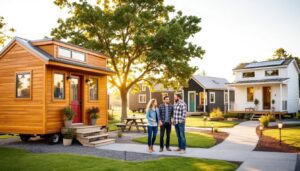
Tiny home communities eliminate most regulatory headaches. Several Arkansas developments cater specifically to tiny living:
- Communities near Hot Springs and Eureka Springs offer established infrastructure
- Lot lease arrangements typically run $200–$400/month including utilities and shared amenities
- Residents benefit from pre-approved zoning and shared resources like community gardens
Backyard placement (ADU or accessory dwelling unit) is gaining traction in urban areas. Fayetteville updated its code in recent years to allow ADUs on single-family lots, though minimum lot size and setback requirements apply. This approach works well for family members seeking independence while staying close, or for generating rental income.
RV parks accept RVIA-certified THOWs but often have rules against permanent residence. Monthly rates run $300–$600 with full hookups. Some owners use this as a temporary solution while navigating zoning for permanent placement.
In regions embracing sustainable housing options, tiny home acceptance grows faster due to environmental benefits and community support.
Cost of Tiny Homes in Arkansas
Tiny home costs in Arkansas fall significantly below national averages due to lower labor costs and material availability.
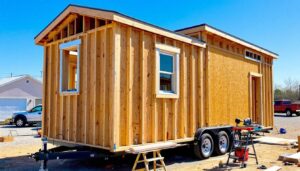
Shell kits from manufacturers start around $15,000–$30,000 for basic framing, roofing, and exterior sheathing. Buyers finish interior work themselves. Expect another $10,000–$20,000 in materials for insulation, drywall, flooring, electrical, plumbing, and appliances if doing the work yourself.
Turn-key builds from local builders run $45,000–$85,000 for 200–400 square foot homes with standard finishes. Premium materials, custom cabinetry, or off-grid systems push prices to $100,000+. For a realistic budget breakdown on tiny homes, factor in all site prep and permitting costs upfront.
Land and site prep add significant expense:
- Land: $5,000–$25,000 (rural areas)
- Well drilling: $3,500–$7,500
- Septic system: $3,000–$10,000
- Electric service connection: $1,000–$5,000 depending on distance from the road
- Driveway and pad: $2,000–$8,000 for gravel base and compaction
Used tiny homes pop up occasionally on Facebook Marketplace and Craigslist for $20,000–$50,000. Inspect thoroughly for roof leaks, structural issues, and code compliance before buying. Many were built without permits and may not pass inspection for permanent installation.
DIY builds offer the most savings but demand significant time and skill. Budget $20,000–$40,000 in materials for a 250-square-foot home, assuming you provide all labor. Most DIYers underestimate time requirements, expect 6–12 months working weekends if inexperienced with framing and electrical work.
Best Arkansas Tiny Home Builders and Communities
Several Arkansas-based builders specialize in tiny construction, understanding local codes and climate requirements.
Local builders typically work on a custom basis, adapting plans to your lot and needs. Look for contractors experienced with residential framing who understand IRC Appendix Q requirements. Request references and inspect completed projects before signing contracts. Typical lead times run 4–8 months from deposit to delivery.
Amish builders in northern Arkansas offer traditional timber-framing at competitive prices. Structures built by Amish craftsmen feature mortise-and-tenon joinery and attention to detail, though they typically deliver shells only, no electrical or plumbing.
Communities continue emerging across the state:
- Northwest Arkansas: Several developments near Fayetteville and Bentonville cater to younger professionals seeking affordable housing close to major employers
- Eureka Springs area: Known for welcoming alternative lifestyles, several tiny home neighborhoods offer artistic communities
- Hot Springs region: Lakefront and wooded communities attract retirees downsizing from larger homes
Vet any community thoroughly. Visit in person, talk to current residents, and review all covenants and fee schedules. Monthly HOA fees for shared amenities, road maintenance, and trash service typically run $75–$200.
Across the southern region, tiny home design trends influence local builders who adapt popular features to Arkansas’s climate and aesthetic preferences.
Essential Tips for Transitioning to Tiny Home Living
Downsize ruthlessly before moving in. A 300-square-foot home has roughly 2,400 cubic feet of interior volume, about what a typical bedroom and closet offer in a conventional house. Sort belongings into keep/sell/donate piles, keeping only what serves multiple purposes or brings genuine joy. Storage units defeat the purpose and drain budgets.
Design for dual-purpose spaces. Fold-down tables, murphy beds, and convertible furniture maximize usability. Built-in storage under stairs, in toe-kicks, and above doorways captures dead space. Many Arkansas tiny home owners incorporate current design trends from the broader movement while adapting for local conditions.
Plan for Arkansas weather. Install a mini-split heat pump (1-ton or 12,000 BTU) for efficient heating and cooling, critical during humid summers. Budget $1,500–$3,000 installed. Insulate to at least R-19 walls and R-30 ceiling using closed-cell spray foam or dense-pack cellulose. Proper ventilation prevents moisture buildup: install bath and kitchen exhaust fans venting outside.
Consider off-grid capabilities even if connecting to utilities initially. Solar panels (2–4 kW systems run $6,000–$12,000 after incentives) provide backup during outages common in rural Arkansas. A 200–400 gallon rainwater catchment system with filtration costs $1,500–$3,000 and reduces well pump usage.
Test before committing. Rent a tiny home for a weekend or month to confirm the lifestyle fits. Several Arkansas tiny home communities and vacation rentals let prospective buyers experience compact living before investing. Couples especially benefit from trial runs, space conflicts often surprise people accustomed to retreating to separate rooms.
Build community connections. Tiny living often means relying on neighbors for occasional tool-sharing, emergency help, or social interaction. Join local tiny home Facebook groups, attend meetups, and visit established communities before choosing a location. Isolation magnifies in small spaces, so proximity to town amenities and like-minded residents matters more than in conventional housing.
Plan for the long term. Consider legal considerations around resale, financing, and insurance. Most traditional mortgage lenders won’t finance homes under 400 square feet, so cash purchases or RV loans (if RVIA-certified) are common. Insurance requires specialized tiny home or RV policies, not standard homeowner’s coverage.